Is SEO Worth It in 2026 for Local Businesses?.
As digital competition continues to intensify, many local business owners are asking a critical question: Is SEO still worth it in 2026? With rising advertising costs, rapid changes in Google’s algorithms, the influence of AI-generated content, and the dominance of platforms like Google Maps, it is reasonable to question whether investing in SEO still makes sense.
The short and honest answer is yes—SEO is still worth it in 2026 for local businesses, but only if it is approached strategically and realistically. SEO is no longer about quick tricks or keyword stuffing. It is about visibility, trust, and long-term demand capture at the exact moment customers are searching.
This article explains why SEO still works in 2026, how local SEO has evolved, when it makes sense to invest, and when it may not be the right channel.
Why Local Businesses Still Rely on Google in 2026.
Despite the growth of social media and AI tools, Google remains the primary discovery channel for local services. When people need a solution now, they do not scroll social feeds—they search.
Examples of high-intent searches include:
- “SEO consultant near me”.
- “WordPress developer in my city”.
- “Local marketing agency”.
- “Best service provider near me”.
These searches signal immediate intent, and SEO exists to capture that demand.
In 2026, Google is not just a search engine—it is a decision engine.
What SEO Means for Local Businesses in 2026.
SEO for local businesses in 2026 is broader and more integrated than ever before. It includes much more than ranking a website.
Modern local SEO includes:
- Google Business Profile optimization.
- Local website SEO (service + location pages).
- Reviews and reputation management.
- Mobile performance and UX.
- Local content and authority building.
- Brand signals and trust.
SEO now works as a local visibility system, not a single tactic.
How Local Search Behavior Has Changed.
Understanding user behavior explains why SEO is still effective.
Mobile-First Is the Default.
Most local searches happen on mobile devices. Speed, clarity, and usability matter more than ever.
“Near Me” and Implicit Location Searches.
Users no longer type city names every time. Google automatically understands location intent.
Zero-Click Results.
Many searches end without a website visit, but businesses that appear in Maps, local packs, and featured results still gain calls, directions, and bookings.
Reviews Influence Decisions.
SEO brings visibility, but reviews close the deal. Rankings and reputation now work together.
The Core Benefits of SEO for Local Businesses in 2026.
1. High-Intent Traffic.
SEO targets users who are already looking for your service, not casual browsers.
2. Long-Term Cost Efficiency.
Ads stop when the budget stops. SEO continues working even when spending is reduced.
3. Trust and Credibility.
Local users trust organic and map results more than paid placements.
4. Competitive Defense.
If you are not investing in SEO, your competitors likely are—and they are capturing your demand.
5. Compounding Results.
SEO builds momentum. Each month of work strengthens the next.
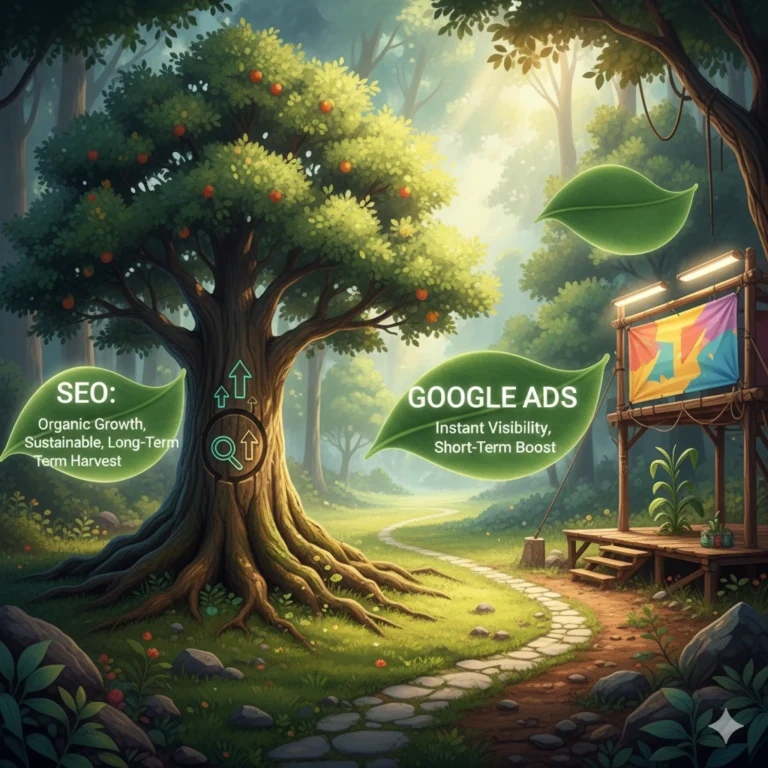
Local SEO vs Paid Ads in 2026.
Local businesses often debate SEO versus ads. In reality, they serve different roles.
| Factor | SEO | Paid Ads |
|---|---|---|
| Speed | Slow at first | Immediate |
| Cost over time | Decreases | Increases |
| Trust | High | Medium |
| Long-term value | Strong | Temporary |
In 2026, the smartest businesses use both, but SEO is the foundation.
What Has Changed in SEO by 2026?.
SEO still works, but the rules have evolved.
Google Business Profile Is Central.
For many local businesses, Google Business Profile generates more leads than the website itself.
Reviews Are a Ranking and Conversion Factor.
Quantity, quality, recency, and responses all matter.
Content Must Demonstrate Real Expertise.
Generic or AI-spun content no longer performs well. Google prioritizes experience, clarity, and usefulness.
User Experience Is Non-Negotiable.
Slow websites and poor mobile design hurt rankings and conversions.
AI Has Raised the Bar.
AI content is everywhere, so originality and trust signals matter more than volume.
When SEO Is Absolutely Worth It for Local Businesses.
SEO delivers the highest ROI when:
You Offer Services With Ongoing Demand.
Examples include:
- Professional services
- Agencies
- Consultants
- Medical or legal services
- Home and local services
You Operate in a Competitive Area.
SEO allows you to compete without endlessly increasing ad spend.
You Want Predictable Leads.
Organic traffic creates stability that ads cannot guarantee.
You Plan to Be in Business Long-Term.
SEO rewards patience and consistency.
When SEO May NOT Be Worth It.
SEO is not always the best first move.
It may not be ideal if:
- You need leads immediately (short-term campaigns).
- You run one-time events.
- Your margins are extremely low.
- You cannot commit to at least 6 months.
In these cases, paid ads or direct outreach may be better initially.
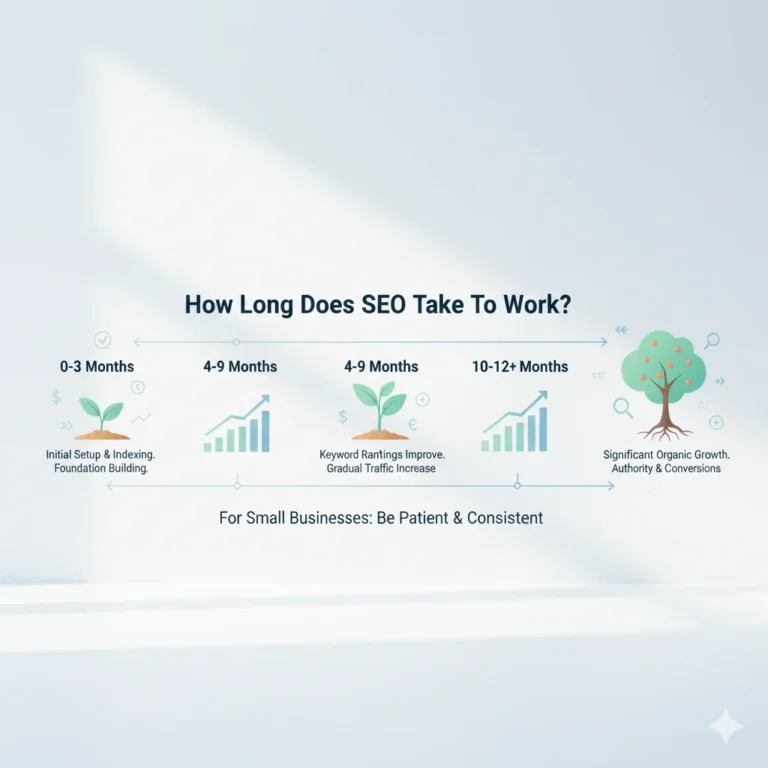
How Long Does Local SEO Take in 2026?.
Local SEO is still faster than national SEO.
Typical timelines:
- Initial visibility: 1–3 months.
- Measurable leads: 3–6 months.
- Strong ROI: 6–12 months.
Results depend on competition, location, and execution quality.
Cost of Local SEO in 2026.
Typical monthly investment ranges:
- Low competition markets: $300–$600.
- Medium competition: $700–$1,200.
- High competition or multi-location: $1,500+.
Compared to rising ad costs, SEO remains one of the most cost-efficient channels.
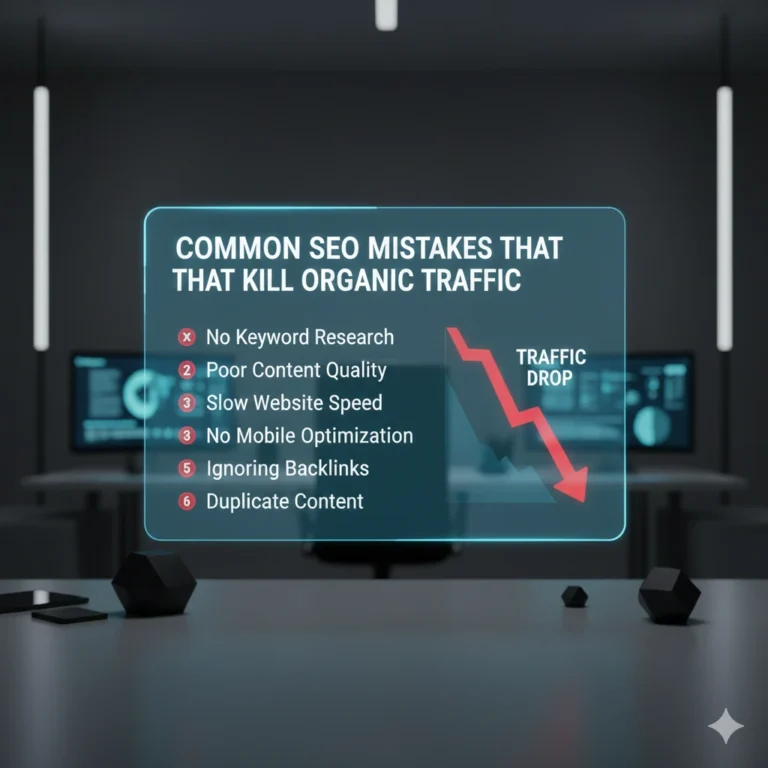
Why Many Businesses Think SEO “Doesn’t Work”.
SEO usually fails due to execution, not strategy.
Common reasons:
- Unrealistic expectations.
- Poor-quality providers.
- Inconsistent efforts
- Ignoring Google Business Profile.
- Publishing low-value content.
When done properly, SEO still works extremely well.
How to Make SEO Worth It in 2026.
To succeed with SEO today, local businesses should:
- Focus on real customer questions.
- Optimize Google Business Profile weekly.
- Collect and manage reviews actively.
- Build local service pages.
- Improve website speed and UX.
- Track calls, forms, and conversions.
SEO in 2026 rewards focus and quality, not shortcuts.
The Role of AI in Local SEO.
AI helps with efficiency, research, and structure—but it does not replace strategy or local knowledge. Businesses that rely only on automation struggle to stand out.
The winning approach combines:
- AI efficiency.
- Human expertise.
- Real business experience.
Final Answer: Is SEO Worth It in 2026?.
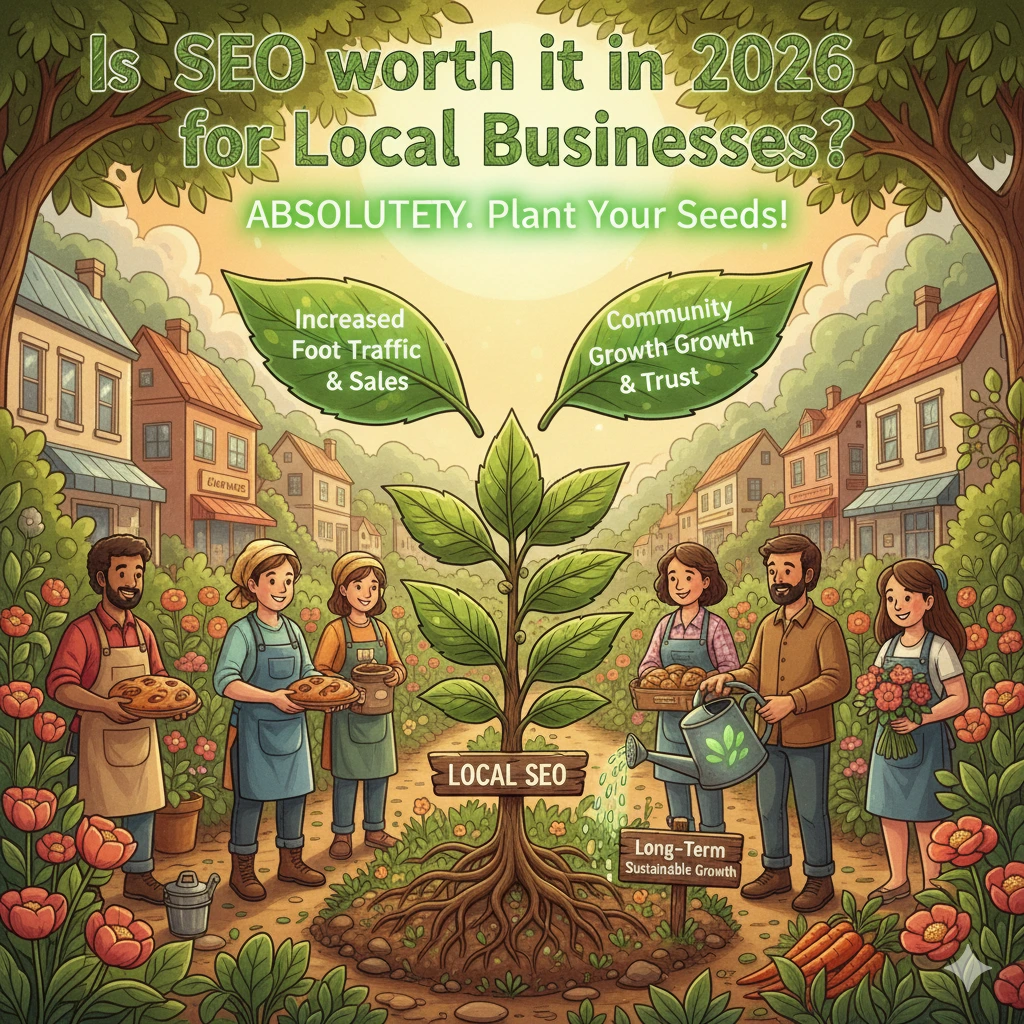
Yes—SEO is still worth it in 2026 for local businesses, but only for those who understand what SEO really is today.
SEO is no longer about chasing rankings. It is about:
- Being visible when it matters.
- Building trust at the local level.
- Capturing high-intent demand.
- Reducing long-term acquisition costs.
Local businesses that invest in SEO as a system—not a quick fix—continue to outperform competitors who rely only on ads or short-term tactics.