SEO vs Google Ads: Which One Is Better Long Term?.
When businesses decide to invest in digital marketing, one of the first questions they face is: SEO or Google Ads— which one is better long term? Both channels promise visibility, traffic, and leads, but they work in very different ways and produce very different outcomes over time.
The truth is not as simple as choosing one and ignoring the other. However, when the goal is long-term growth, cost efficiency, and sustainable lead generation, SEO and Google Ads play very different roles. Understanding those differences is essential before committing your budget.
This article breaks down how SEO and Google Ads work, compares their long-term value, and explains which option makes more sense depending on your business goals.
Understanding SEO and Google Ads.
Before comparing them, it’s important to understand what each channel actually does.
What Is SEO?.
Search Engine Optimization (SEO) is the process of improving your website and online presence so it appears organically in search engine results. This includes:
- Optimizing website structure and content.
- Targeting relevant keywords.
- Improving page speed and user experience.
- Building authority and trust signals.
- Optimizing Google Business Profile for local searches.
SEO focuses on earning visibility, not paying for it.
What Are Google Ads?.
Google Ads is a paid advertising platform where businesses bid on keywords to appear at the top of search results. You pay every time someone clicks on your ad.
Google Ads offers:
- Immediate visibility.
- Full control over budget and targeting.
- Fast testing of offers and keywords.
However, visibility lasts only while you pay.
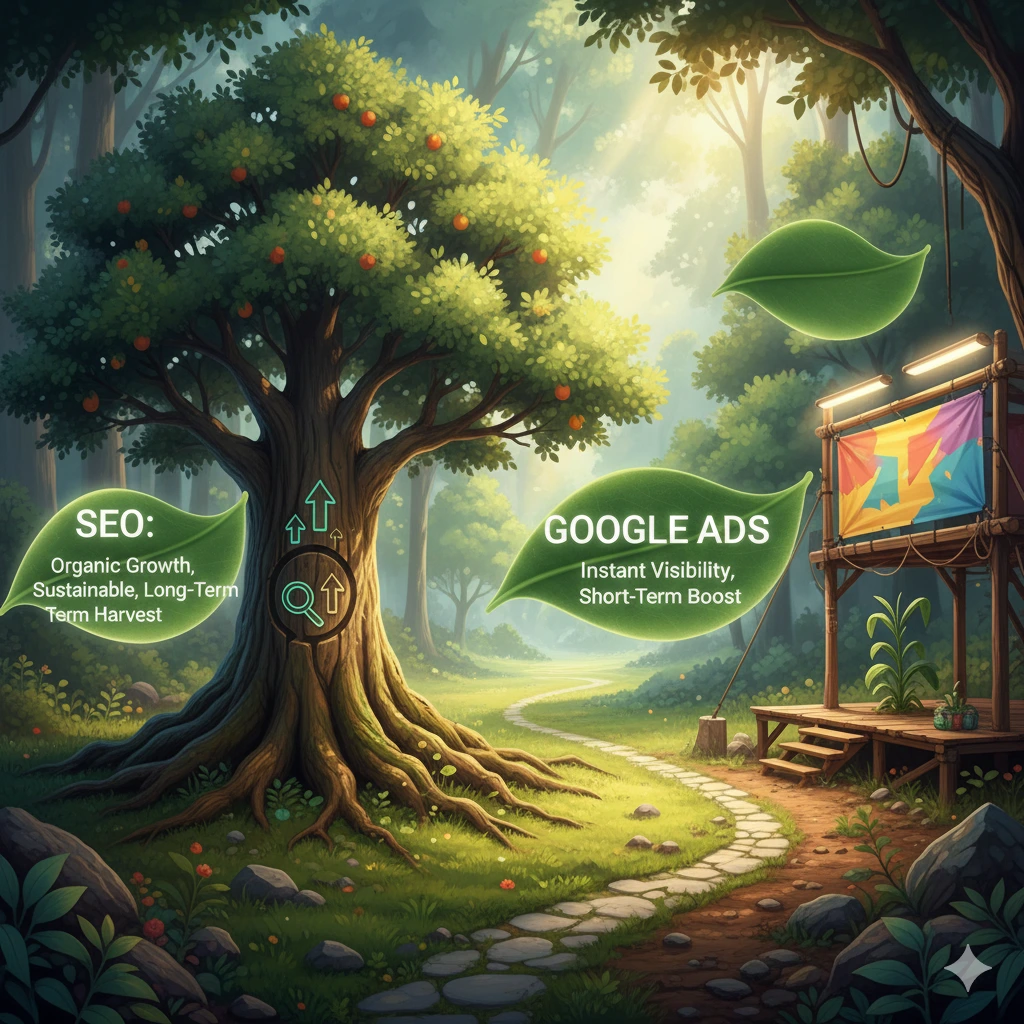
The Core Difference: Asset vs Expense.
The most important long-term difference between SEO and Google Ads is this:
- SEO builds a digital asset.
- Google Ads is a recurring expense.
With SEO, the work you do today continues to generate traffic months or even years later. With Google Ads, the moment you stop paying, traffic stops immediately.
This single distinction shapes everything else.
Short-Term Results vs Long-Term Growth.
Google Ads: Speed and Immediate Results.
Google Ads excels in the short term. Once a campaign is live:
- Your business can appear instantly.
- You can generate leads the same day.
- You can test messaging and offers quickly.
This makes Google Ads ideal for:
- New businesses.
- Promotions or launches.
- Seasonal offers.
- Time-sensitive campaigns.
However, speed comes at a cost.
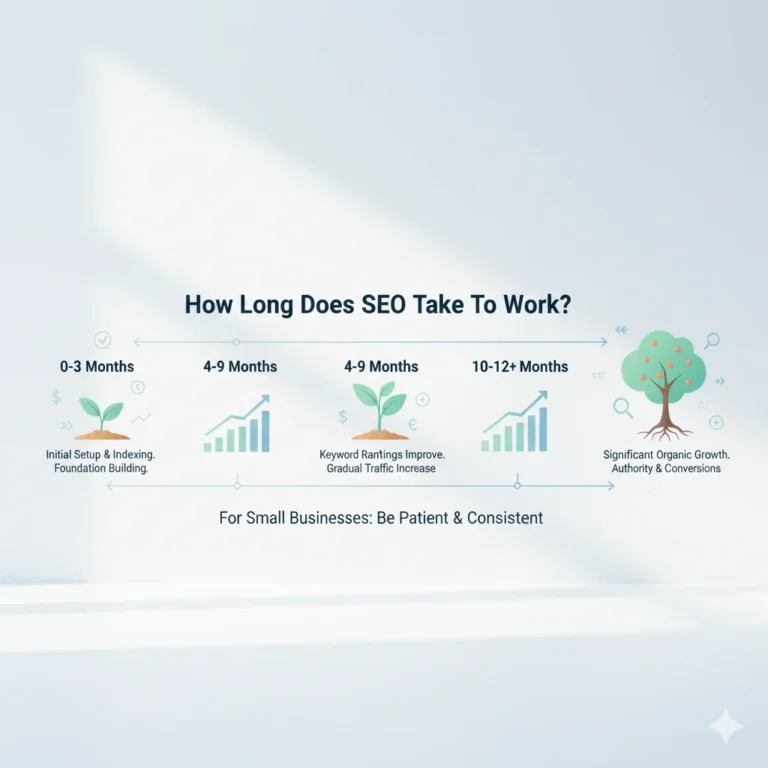
SEO: Slower Start, Stronger Finish.
SEO takes time. Rankings are earned gradually, especially in competitive markets. But once visibility is achieved:
- Traffic becomes consistent.
- Cost per lead decreases over time.
- Authority compounds month after month.
SEO is designed for long-term stability, not instant gratification.
Cost Comparison Over Time.
Google Ads Costs Increase Over Time.
Google Ads is an auction-based system. As more advertisers compete:
- Cost-per-click rises.
- Budgets must increase to maintain visibility.
- Profit margins shrink.
In many industries, CPCs have increased every year.
SEO Costs Decrease Over Time.
SEO requires upfront investment, but long-term costs stabilize:
- Content continues to rank without ongoing payment.
- Traffic grows without proportional cost increases.
- ROI improves as authority builds.
Over a 12–24 month period, SEO typically becomes far cheaper per lead than Google Ads.
Trust and User Behavior.
Organic Results Are Trusted More.
Studies consistently show that users trust organic search results more than ads. Many users:
- Scroll past ads.
- Prefer businesses that rank naturally.
- Associate organic rankings with authority.
SEO benefits from built-in trust.
Ads Are Clearly Marked as Paid.
Even well-written ads are still labeled as advertisements. While they convert well for transactional searches, they do not build the same long-term credibility as organic visibility.
Long-Term Lead Quality.
SEO Traffic Has Higher Intent Over Time.
SEO content targets:
- Informational searches.
- Comparison queries.
- Service-based intent.
This creates a funnel where users:
- Discover your brand.
- Learn from your content.
- Convert when ready.
SEO attracts educated, warmer leads.
Google Ads Capture Immediate Intent.
Google Ads excels at bottom-of-funnel searches:
- “Hire SEO agency”.
- “Local SEO services near me”.
However, many clicks come from users still comparing options, driving up costs without guaranteed conversions.
Scalability and Sustainability.
SEO Scales Naturally.
Once your website ranks:
- New content benefits from existing authority.
- Additional pages rank faster.
- Brand searches increase.
SEO creates a compounding effect that strengthens your entire digital presence.
Google Ads Scale Linearly.
To double results with Google Ads, you usually need to:
- Double the budget.
- Increase bids.
- Expand targeting.
There is no compounding advantage.
Competition and Market Control.
SEO Creates Competitive Moats.
High-ranking organic positions are difficult to replace. Competitors cannot simply outbid you. They must:
- Create better content.
- Build stronger authority.
- Invest long-term.
This gives SEO a defensive advantage.
Google Ads Are Easily Disrupted.
Any competitor with a larger budget can:
- Outbid you.
- Push your ads down.
- Increase your CPC overnight.
Long-term dependence on ads creates vulnerability.
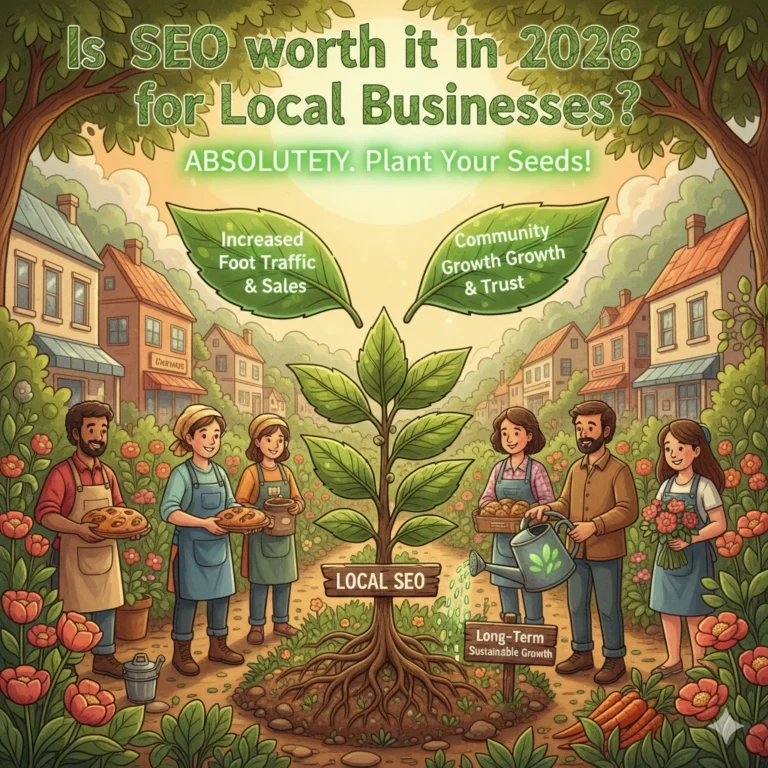
The Role of Local Businesses.
For local businesses, the difference is even more significant.
Local SEO Benefits.
- Google Maps visibility.
- Reviews and reputation signals.
- Calls and visits without clicks.
- Consistent local demand capture.
Local SEO often produces higher ROI than local ads over time.
Local Google Ads Challenges.
- Limited visibility without high bids.
- Clicks from non-local users.
- Increasing competition in Maps ads.
For most local businesses, SEO becomes the foundation, with ads as support.
When Google Ads Makes Sense Long Term.
Google Ads can still be valuable long term when:
- Used to support SEO during growth phases.
- Targeting high-margin services.
- Retargeting previous visitors.
- Promoting limited-time offers.
The key is not relying on ads as the only channel.
When SEO Clearly Wins Long Term.
SEO is the better long-term option when:
- You want predictable lead flow.
- You plan to operate for years.
- You want lower acquisition costs.
- You want brand authority.
- You want independence from ad platforms.
For most established businesses, SEO becomes more profitable every year.
SEO and Google Ads Together: The Smart Strategy.
The most successful businesses do not choose one blindly.
They use:
- Google Ads for speed and testing.
- SEO for long-term growth and stability.
Over time, SEO reduces dependency on ads, not the other way around.
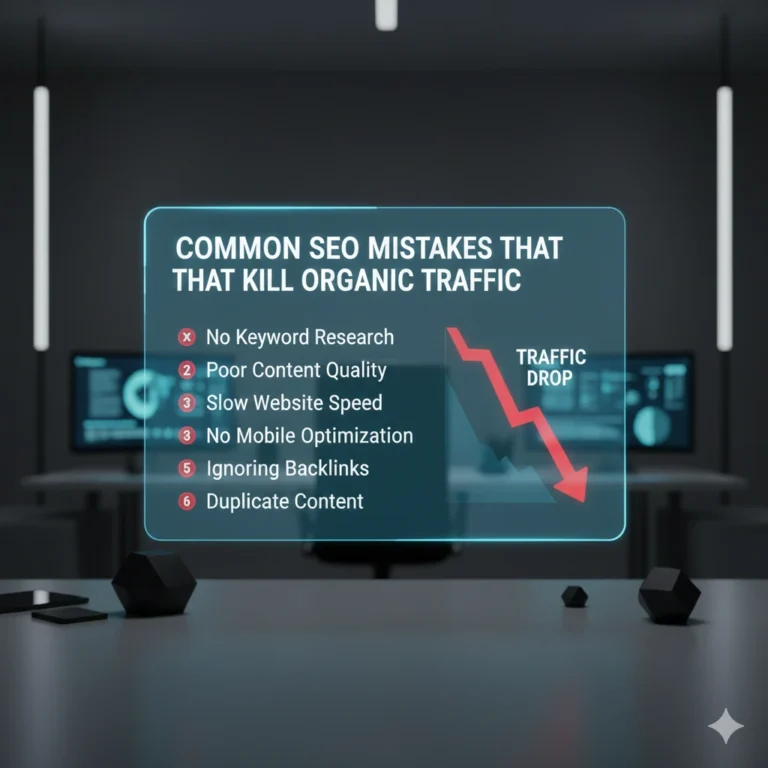
Common Mistakes Businesses Make.
- Expecting SEO to work in weeks.
- Turning off SEO too early.
- Relying 100% on ads.
- Hiring low-quality SEO providers.
- Ignoring conversion optimization.
Long-term success requires strategy and patience.
Final Verdict: Which Is Better Long Term?.
SEO is better long term for most businesses.
It delivers:
- Lower long-term costs.
- Higher trust.
- Sustainable traffic.
- Stronger brand authority.
- Competitive protection.
Google Ads remains a powerful short-term and complementary tool, but SEO is the foundation of long-term digital growth.
Businesses that invest early and consistently in SEO typically outperform those that rely only on paid advertising.