
How Much Does SEO Cost for Small Businesses?.
One of the most common questions small business owners ask before investing in digital marketing is: How much does SEO cost? The short answer is that SEO pricing varies widely, but the more important question is why costs differ and what small businesses should realistically expect.
SEO is not a fixed-price product. It is a strategic service influenced by competition, goals, location, and execution quality. In this article, we’ll break down how much SEO costs for small businesses, what factors affect pricing, common pricing models, what results to expect, and how to avoid wasting money.
Why SEO Pricing Varies So Much.
SEO costs can range from a few hundred dollars per month to several thousand. This wide variation exists because SEO is not a single task—it is a combination of ongoing efforts.
Key factors that affect SEO cost include:
- Industry competitiveness
- Business location
- Current website condition
- Goals and timeline
- Local vs national targeting
- Quality of service provider
Understanding these variables helps small businesses set realistic budgets and expectations.
Average SEO Costs for Small Businesses.
While prices vary by market, here are typical SEO cost ranges for small businesses in 2025–2026:
Monthly SEO Retainers.
- Low competition / local markets: $300 – $600 per month
- Medium competition: $700 – $1,200 per month
- High competition or multiple locations: $1,500 – $3,000+ per month
Monthly retainers are the most common and effective pricing model for small businesses.
One-Time SEO Projects.
- SEO audit: $300 – $1,000
- Website optimization: $500 – $2,000
- Content optimization or migration: $500 – $3,000
One-time projects are useful but rarely sufficient on their own for long-term results.
Hourly SEO Rates.
- Freelancers: $30 – $75 per hour.
- Experienced consultants: $80 – $150 per hour.
Hourly work is best for specific tasks, not ongoing growth.
What You’re Actually Paying for With SEO.
SEO is often misunderstood as “ranking keywords,” but that is only part of the work.
A proper SEO service for small businesses typically includes:
Technical SEO.
- Website audits.
- Indexing and crawl fixes.
- Page speed optimization.
- Mobile usability improvements.
On-Page SEO.
- Keyword research.
- Page optimization.
- Content structure,
- Internal linking,
Content Strategy.
- Blog articles.
- Service pages.
- Local landing pages.
- Content updates.
Local SEO.
- Google Business Profile optimization.
- Review strategy.
- Local citations.
- Maps visibility.
Tracking and Reporting.
- Traffic analysis.
- Keyword tracking.
- Conversion monitoring.
Each of these areas requires time, expertise, and ongoing effort.
Cheap SEO vs Professional SEO.
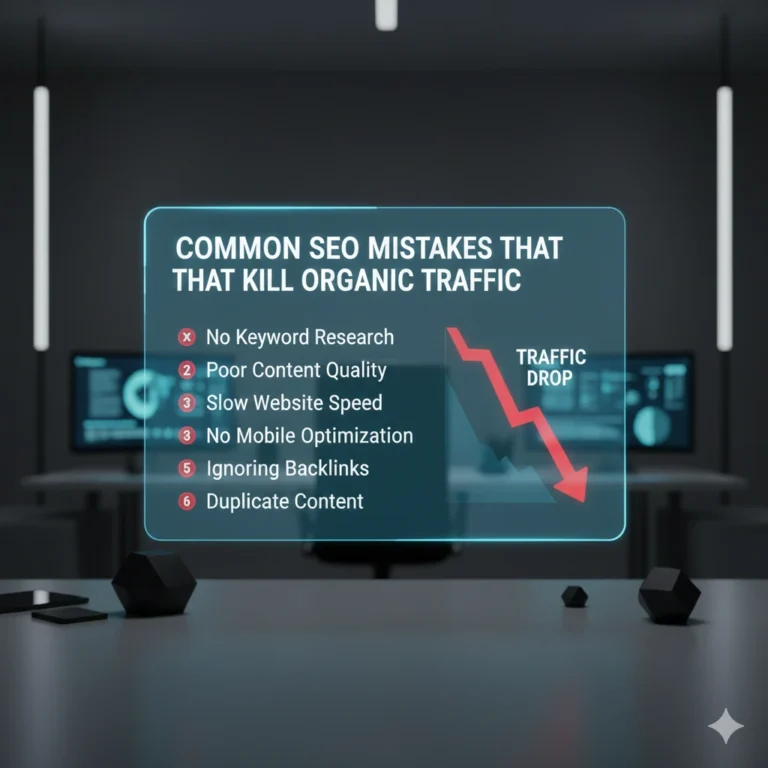
Many small businesses are tempted by very low-cost SEO offers. While affordability matters, cheap SEO often becomes expensive in the long run.
Risks of Cheap SEO.
- Automated link building.
- Low-quality content.
- Outdated tactics.
- Lack of transparency.
- No measurable ROI.
In worst cases, poor SEO can cause ranking penalties or long-term damage.
What Professional SEO Does Differently.
- Builds sustainable authority.
- Focuses on user intent.
- Uses data-driven strategies.
- Prioritizes long-term growth.
- Aligns SEO with business goals.
Paying more upfront often saves money over time.
Local SEO Costs for Small Businesses.
Local SEO is usually more affordable than national SEO and delivers faster results.
Typical Local SEO Costs.
- Single-location business: $300 – $800/month.
- Competitive city markets: $800 – $1,500/month.
- Multi-location businesses: $1,500+/month.
Local SEO focuses heavily on:
- Google Maps visibility.
- Reviews.
- Location-based keywords.
- Local trust signals.
For many small businesses, local SEO produces the highest ROI.
SEO vs Google Ads: Cost Perspective.
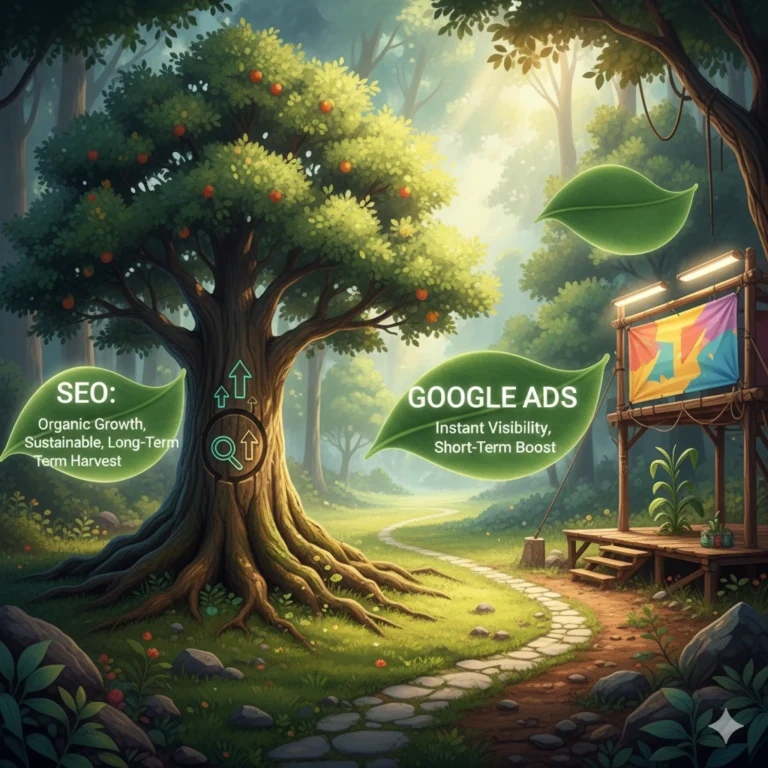
Many small businesses compare SEO costs to Google Ads budgets.
Google Ads.
- Immediate results.
- Pay per click.
- Costs increase over time.
- Traffic stops when budget stops.
SEO.
- Slower start.
- No cost per click.
- Results compound.
- Lower long-term acquisition cost.
While SEO requires patience, it often becomes more cost-effective after 6–12 months.
How Long Before SEO Pays Off?.
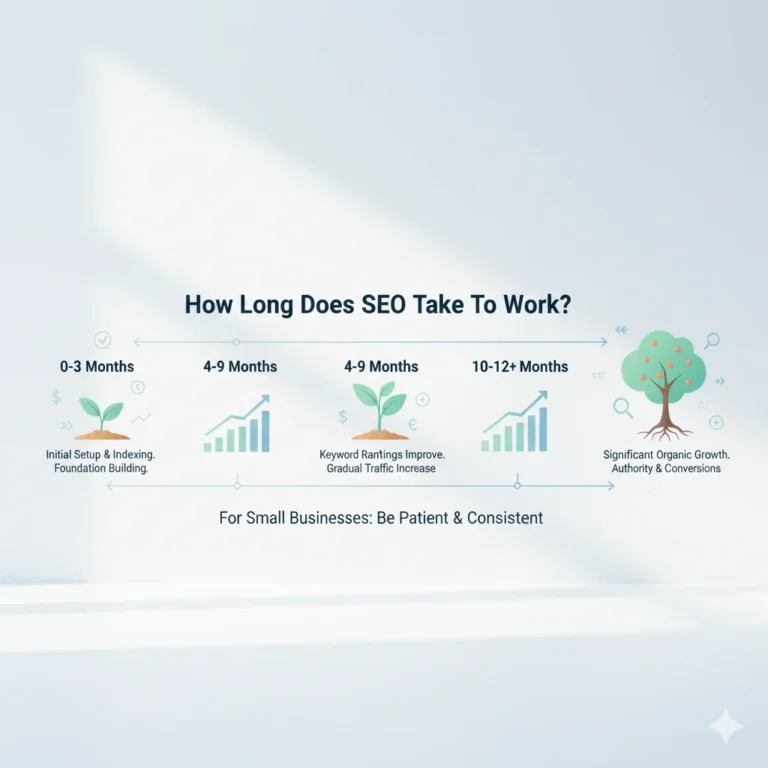
SEO is not instant. Small businesses should plan for:
- 1–3 months: Technical fixes and foundation.
- 3–6 months: Early traffic and keyword movement.
- 6–12 months: Consistent leads and ROI.
Businesses that quit SEO too early rarely see results.
How to Choose the Right SEO Budget.
Instead of asking, “What’s the cheapest SEO?”, small businesses should ask:
- How much is one customer worth?.
- How many leads do I need per month?.
- How competitive is my market?.
- How long do I plan to stay in business?.
SEO budgets should be based on return potential, not just cost.
Warning Signs of Bad SEO Providers.
Avoid SEO services that:
- Guarantee rankings.
- Promise instant results.
- Refuse to explain their strategy.
- Offer hundreds of backlinks.
- Lack reporting or transparency.
Good SEO is methodical, not magical.
Is SEO Worth the Cost for Small Businesses?.
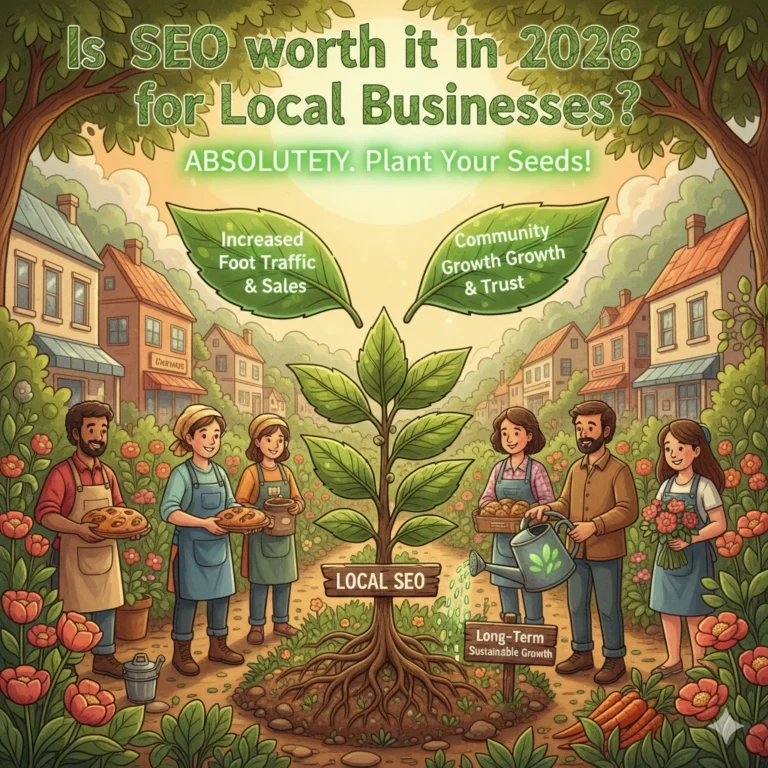
For most small businesses, SEO is one of the highest ROI marketing channels when done correctly.
SEO is especially worth it if:
- You offer ongoing services.
- Customers search for your solution online.
- You want predictable leads.
- You want long-term growth.
- You want independence from ads.
Businesses that invest consistently in SEO often outperform competitors who rely only on paid traffic.
Can Small Businesses Do SEO Themselves?.
Basic SEO tasks can be done in-house, such as:
- Writing content.
- Updating pages.
- Managing Google Business Profile.
However, technical SEO, strategy, and competitive markets usually require professional support.
A hybrid approach—DIY + expert guidance—can work well for budget-conscious businesses.
Final Thoughts: SEO Is an Investment, Not a Cost.
SEO is not an expense—it is an investment in visibility, credibility, and demand capture.
While SEO costs may seem high initially, the long-term benefits include:
- Lower customer acquisition costs.
- Sustainable traffic.
- Strong brand authority.
- Competitive protection.
For small businesses that plan to grow and stay relevant, SEO remains one of the smartest long-term investments available.